Detailed Pre-Demolition Assessment
We inspect the structure, identify any hazardous materials, and check for services like power and water connections before any demolition work begins on site.
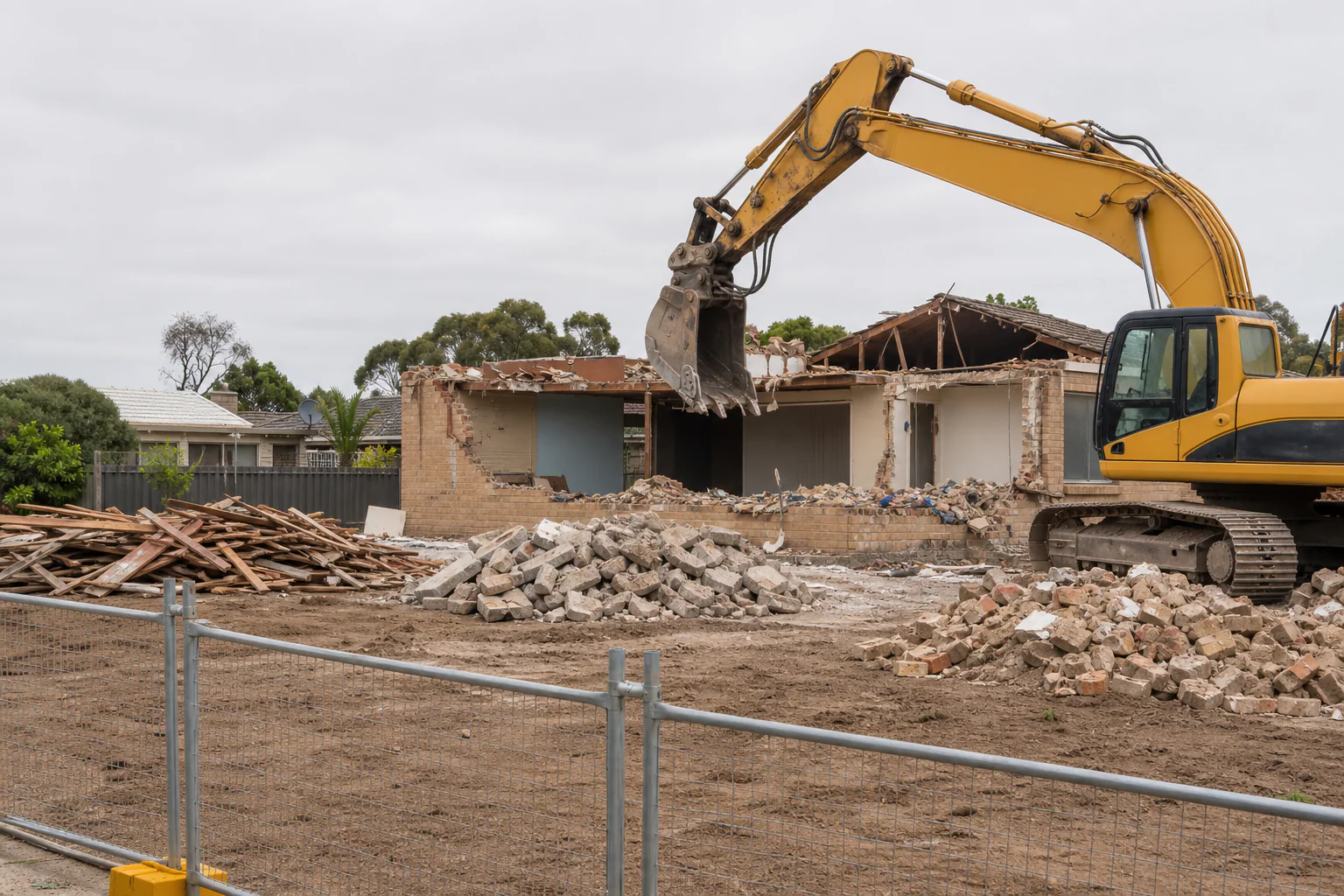
Demolition
Controlled residential and light-commercial demolition with careful separation, removal and site clean-up.
Clear scope. Clean result.
Good demolition solves more than bringing a structure down. We consider access, services, hazards and debris handling before machinery arrives.
For demolition projects across Perth, our operators combine practical site experience with modern equipment and a disciplined approach to finish. You receive a clear scope, an agreed plan and communication throughout the work.
Perth Demolition is one part of the wider earthworks capability we bring to residential, rural, commercial and civil projects.
We inspect the structure, identify any hazardous materials, and check for services like power and water connections before any demolition work begins on site.
We identify the approvals, notifications and service disconnections your demolition needs and confirm they are in place before machines arrive. The permit itself is lodged by you or your building surveyor.
Our crews use appropriate machinery and methods to bring down structures safely, protecting neighbouring properties, services, and anyone in the surrounding area throughout the process.
Demolition debris is sorted and disposed of appropriately, with recyclable materials like concrete and metal separated where possible rather than sent straight to landfill.
Once the structure is down, we clear the site of debris and rubble, leaving it level and ready for excavation or rebuilding to begin.
You’ll know how long demolition will take and what to expect at each stage, with updates provided if anything unexpected is found during the process.
Frequently paired with Site Preparation, Land Clearing, Vegetation Removal, Grass Removal and connected preparation tasks where access, levels and clean handover matter—all part of our site preparation and groundwork capability.
Plant and attachments are selected after access, reach, ground conditions, material volume and the required finish have been reviewed.
Requirements vary by council, property and scope. Relevant approvals, service locating and site controls must be confirmed before work begins.
What shapes the price
No two sites price the same. These are the factors that move a demolition quote most.
Larger or more complex structures take longer to demolish safely and generate more debris, directly increasing the overall project cost.
Structures containing materials like asbestos require specialised handling and disposal, which adds both time and cost to the demolition process.
Restricted access sites or those near neighbouring properties may require more careful, time-consuming demolition methods, increasing overall cost.
The volume and type of demolition debris affects disposal costs, with recyclable material sorting sometimes reducing costs compared to standard landfill disposal.
Capability in context
Demolition is rarely a standalone job—there’s excavation, debris removal, and site clearing to follow, and we already have all of it covered. Our team runs its own excavators, tipper trucks, and rock breaking equipment, meaning we can knock a structure down and clear the site in one continuous process. You won’t need to find a separate excavation or removalist company once the demolition crew leaves; we’ve already got it handled.
Scope clarity
Demolition pricing turns on disconnections and disposal. Both sides of that line are listed here.
Why choose us
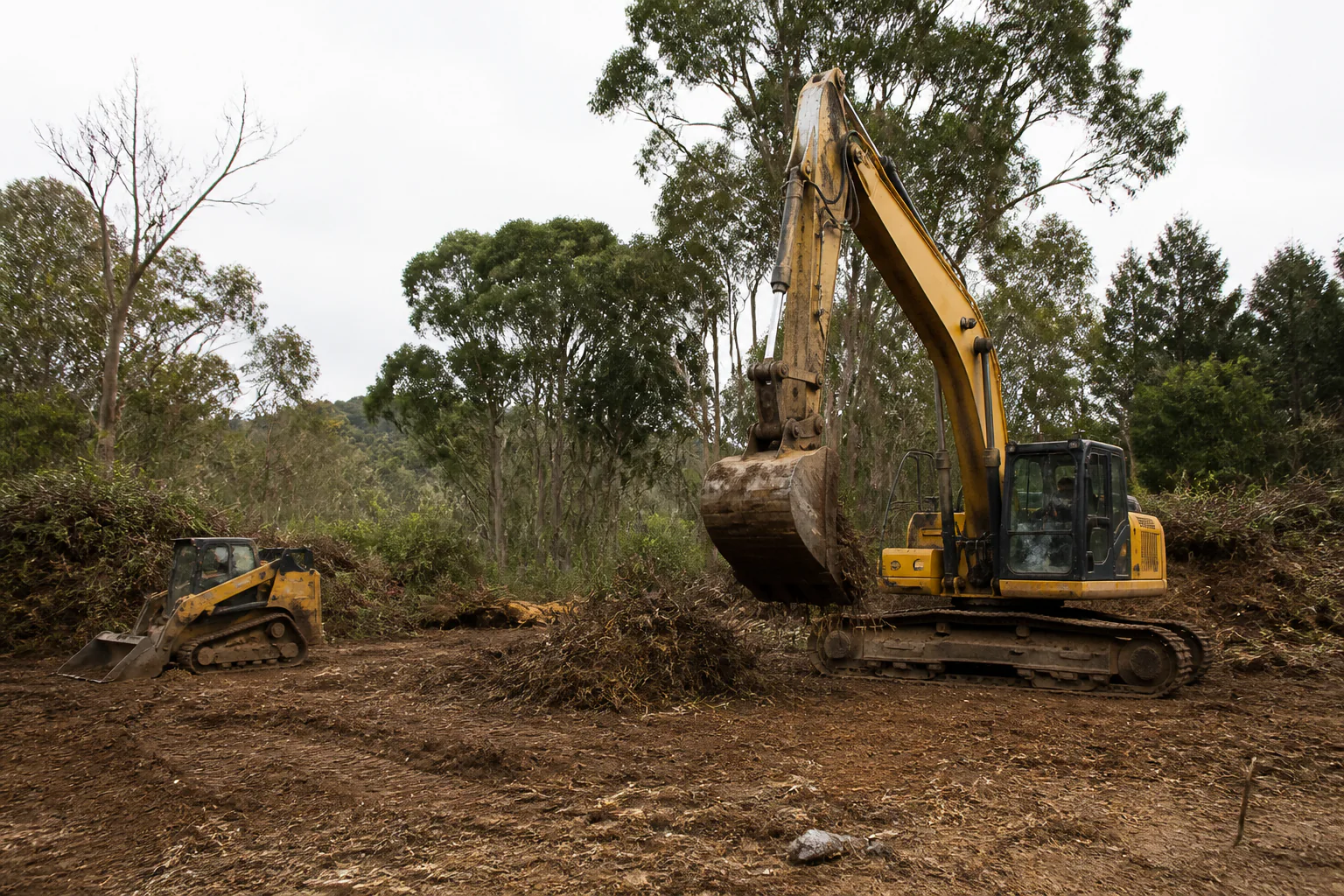
Demolition carries real risk if it’s not handled by a team that understands both the structural and regulatory sides of the job. We inspect thoroughly before starting, identify any hazardous materials, and confirm the necessary approvals, disconnections, and safety requirements are in place before machinery moves in. Our crews bring the right equipment to bring structures down safely and efficiently, protecting neighbouring properties and existing services throughout the process.
Because we manage debris sorting and site clearing ourselves, you’re left with a genuinely cleared site rather than a demolished structure and a pile of rubble to deal with separately. We’ve handled both residential and commercial demolition projects across Perth, giving us practical experience with the different challenges each type presents. Clear communication throughout, honest timelines, and a properly cleared result at the end are what our clients consistently tell us set our demolition service apart from the rest.
Before machinery arrives
Demolition cannot start until the paperwork and the services are sorted. These four hold jobs up most often.
Ensure the route to the structure is open for machinery and trucks. Move vehicles, bins, or stored items that could block equipment from reaching the demolition site.
Arrange for power, gas, and water to be disconnected before demolition begins. This is essential for safety and needs to be organised with your relevant utility providers.
If there’s anything inside the structure you want kept, remove or flag it beforehand. Once demolition starts, salvage becomes far more difficult and time-consuming.
Demolition is loud and generates dust and debris. Notify adjoining neighbours well in advance so the job isn’t interrupted by unexpected complaints once work begins.
Areas we serve
Demolition work is most common in Perth’s established suburbs, where knock-down rebuilds and redevelopment are part of the local landscape.
We also take on commercial demolition jobs across Perth’s industrial and commercial areas.
Frequently Asked Questions
We service the Perth metropolitan area and can assess regional or rural projects by arrangement. Add your suburb to the quote request and we will confirm availability.
That depends on the scope, access and information available. Straightforward work may be assessed from plans and photographs, while complex sites usually benefit from an inspection.
Requirements vary by council, property and project scope. Confirm the applicable requirements before work begins; we can help identify questions to raise with the relevant authority.
The service range covers residential, rural, commercial and civil work. Final suitability depends on access, program, plant requirements and the confirmed project scope.